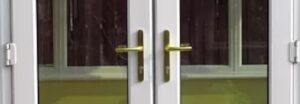
Why Repair A Door Handle Is The Next Big Obsession


Repairing a Door Handle: A Comprehensive Guide
Door handles are among the most regularly utilized parts of any office or home. Nevertheless, their continuous usage can lead to use and tear, resulting in a malfunctioning or broken handle. Whether it's a loose handle that won't turn or a completely removed one, fixing a door handle can frequently be a simple task that needs only basic tools and a little understanding. This short article will guide you through the actions included in fixing a door handle, along with some helpful FAQs.
Comprehending Common Door Handle Issues
Before diving into the repair procedure, it's necessary to identify common issues related to door handles:
- Loose Handle: A handle that wobbles or turns without engaging the lock might have loose screws.
- Stuck Handle: If a door handle is difficult to turn, there may be obstructions within the mechanism or misalignment with the latch.
- Detached Handle: Complete detachment might result from broken screws or a harmed handle.
- Rusty or Corroded Handle: Handles made from metal can end up being rusty gradually, resulting in functionality issues.
Recognizing these problems will assist you determine the best strategy for repair.
Tools and Materials Needed
To successfully repair a door handle, you'll need the following tools and products:
Tools:
- Screwdriver (flathead and Phillips)
- Allen wrench (if appropriate)
- Pliers
- Energy knife
- Cleaning up cloth
- Lube (e.g., WD-40)
- Replacement parts (if essential)
Materials:
- Screws (if any are missing or harmed)
- New handles (if repairs are not feasible)
Step-by-Step Repair Process
Action 1: Gather the Tools
Start by assembling all the essential tools and products. Having everything on hand will make the repair process smoother and more effective.
Step 2: Remove the Door Handle
- Check the Handle: Look for visible screws on the handle or the base. Many handles have actually screws hidden behind decorative plates, which may require to be pried off gently.
- Unscrew the Handle: Using the proper screwdriver, remove the screws holding the handle in location.
- Remove the Handle: Once the screws are eliminated, carefully pull the handle away from the door. If the handle is stuck due to paint or corrosion, gently wiggle it back and forth or use an energy knife to cut the paint around its base.
Action 3: Diagnose the Problem
Upon removing the handle, inspect its parts:
- Check the screws: Ensure they are not stripped or damaged.
- Examine the mechanism: Look for any visible signs of wear or blockage.
- Assess the positioning: Ensure that the latch mechanism is aligned with the handle.
Step 4: Repair or Replace Components
Depending upon your diagnosis, continue as follows:
For Loose Handles:
- Tighten the screws using the screwdriver. If repairmywindowsanddoors are harmed, replace them with new ones.
For Stuck Handles:
- Apply lube to the mechanism and move the handle back and forth to loosen up any stuck parts. Ensure the alignment is correct with the lock.
For Detached Handles:
- If the handle has broken totally, replace it with a new one. Guarantee you choose a replacement that matches the existing hole pattern on your door.
For Rusty Handles:
- Use a cleaning cloth to wipe away rust and corrosion. If the handle is too rusted for repair, consider replacing it completely.
Step 5: Reinstall the Door Handle
- Align the Handle: Position the handle back onto the door, ensuring that it lines up with the latch mechanism.
- Screw It Back In: Insert and tighten up screws to protect the handle in location. Avoid overtightening as this might strip the screws or harm the door.
Action 6: Test the Handle
Once the handle is reinstalled, test its performance. Ensure it turns efficiently and engages the latch properly. If you observe any issues, repeat the pertinent repair actions.
Preventative Maintenance Tips
To lengthen the life-span of your door handles, consider these maintenance tips:
- Regularly inspect screws for tightness and retighten them as required.
- Apply lubricant to the mechanism every couple of months to prevent wear.
- Keep handles clean and totally free of dust and debris.
- Check for rust or deterioration, especially on exterior doors.
FAQs About Door Handle Repair
Q1: Can I repair a door handle without changing it?
Yes, numerous common issues, such as loose screws or misalignment, can often be fixed without replacement.
Q2: What type of lube should I utilize?
A general-purpose lube like WD-40 or silicone spray is effective for oiling door handle systems.
Q3: How do I understand if I need a new handle?
If the handle is broken, greatly rusted, or if internal components are beyond repair, it might be more affordable to change it.
Q4: Are there different kinds of door handles?
Yes, there are numerous types, consisting of lever handles, knob handles, and smart locks. Each requires a slightly different technique to repair.
Q5: Is it possible to fix a handle on a moving door?
Yes, sliding doors frequently have distinct systems. However, the basic concepts of diagnosing and repairing issues apply. Seek advice from producer guidelines for specific repair directions.
Repairing a door handle might appear intimidating for some, but with the right tools, materials, and knowledge, it is a manageable DIY task. By following the actions laid out in this guide, individuals can effectively evaluate, repair, and keep door handles, guaranteeing they remain practical and reliable for years to come. Routine maintenance is important, as it prolongs the life of door handles, lessens the requirement for significant repairs, and promotes a smoother operation throughout your office or home.